Masterplanning the 1st ‘New Town’
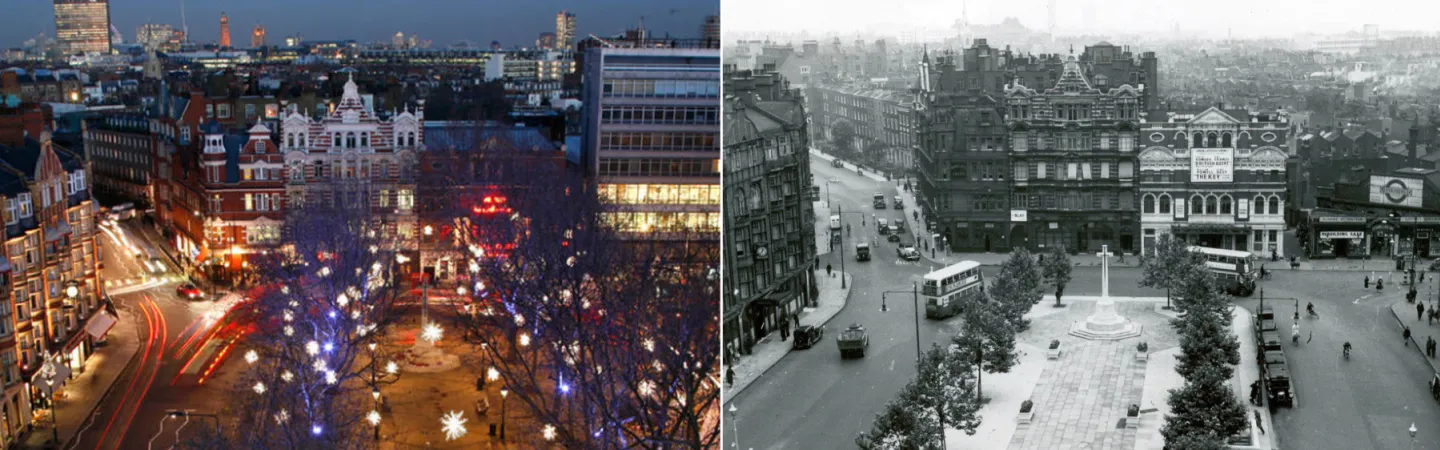
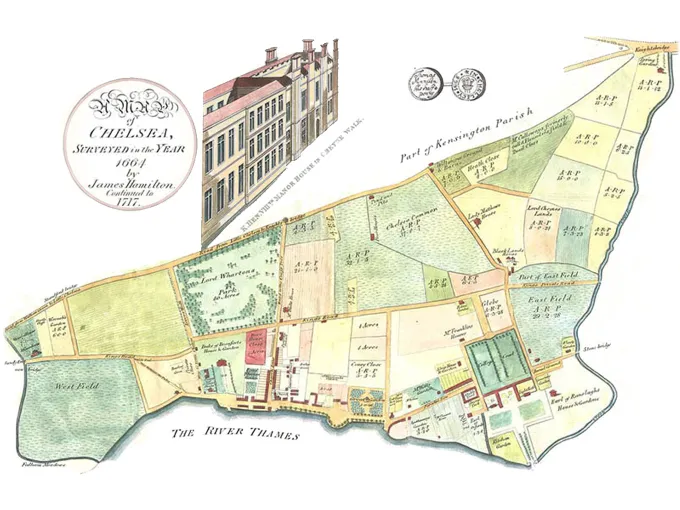
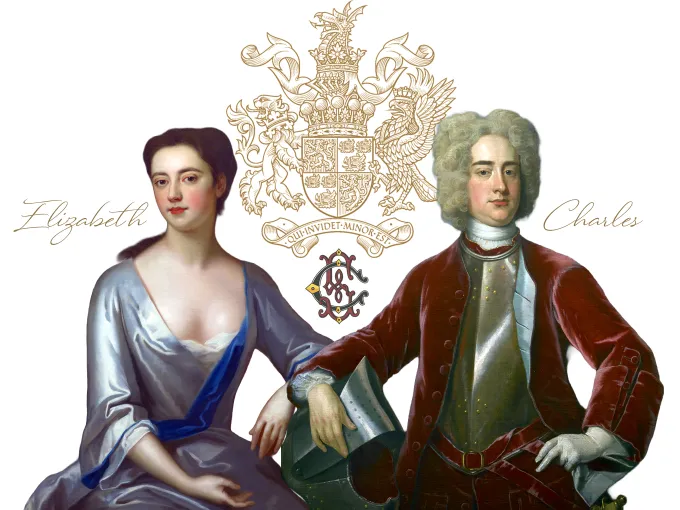
That opportunity was seized with remarkable clarity in 1777. Charles, (3rd Baron, 1st Earl Cadogan new creation), entered into an agreement with the architect and developer Henry Holland to create an entirely new quarter on open land north of the King’s Road. The plan was ambitious, covering 89 acres. Yet what makes it remarkable is not its scale, but its coherence. Streets were laid out with intent. Routes were defined. Sloane Street was created as a central spine, connecting Knightsbridge with the King’s Road, while Sloane Square replaced a far less appealing crossing over the River Westbourne.
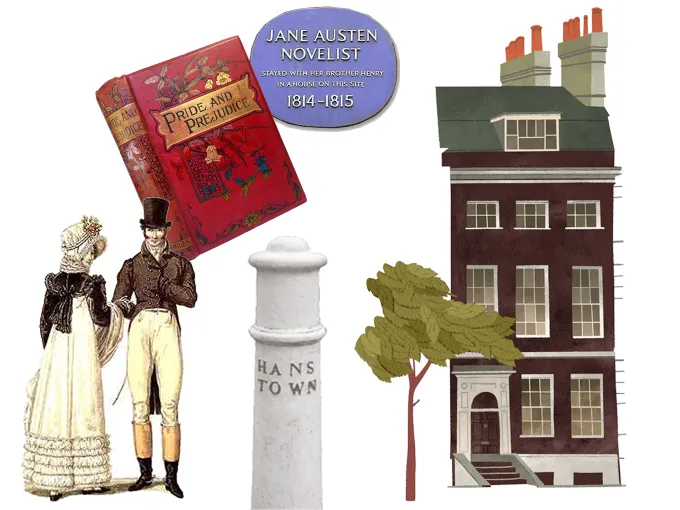
This was Hans Town, and it changed Chelsea completely. Houses rose in measured terraces, elegant but not ostentatious. The area quickly became fashionable, attracting residents who valued space, order and proximity to London without its immediate intensity. It attracted thinkers, writers and observers of human behaviour. Jane Austen, visiting her brother on Sloane Street, edited the proofs of Sense and Sensibility here. What is striking is how enduring that framework has been. Much of the street pattern established in the late 18th century still shapes Chelsea today. It feels intuitive because it was, from the beginning, thoughtfully designed.